
The new patient, Maria, arrives at the clinic for her first appointment. She found the facility through an online search, drawn in by the consistent, empathetic tone of its website, the calming blue and green color palette, and the clear, concise explanations of their services. The waiting room mirrors this aesthetic: soft lighting, natural wood accents, and digital signage displaying patient testimonials and health tips, all using the same friendly font she saw online. When the nurse calls her name, she feels a sense of familiarity and trust, not the usual apprehension of a new medical encounter. This cohesive experience, from her initial search to sitting in the exam room, isn't accidental. It's the result of a deliberate, well-executed branding strategy designed to build confidence and connection from the first touchpoint.
Building Trust and Authority in a Crowded Market
Healthcare is a deeply personal and often vulnerable experience. For patients, choosing a provider involves a significant leap of faith, especially with the proliferation of new clinics, specialized centers, and digital health platforms. A strong brand cuts through this noise by clearly communicating an organization's values, expertise, and unique approach to care. This isn't just about a logo; it's about the consistent messaging, visual identity, and patient experience that together create a distinct and memorable presence.
Consider a multi-specialty clinic in a large urban center. Without a clear brand, they risk being perceived as just another option among dozens. With a focused branding effort, they can differentiate themselves as, for example, the "compassionate innovators" in cardiology, emphasizing their patient-centered approach alongside their cutting-edge procedures. This helps them attract not only patients who resonate with that ethos but also top-tier medical professionals who want to align with a respected, forward-thinking institution.
Attracting and Retaining Top Talent
The healthcare sector faces ongoing challenges in recruiting and retaining skilled professionals, from nurses and technicians to specialized physicians. A strong brand extends beyond patient acquisition; it also defines an organization's identity as an employer. When a healthcare system cultivates a reputation for innovation, ethical practice, and a supportive work environment, it becomes a more attractive destination for talent in a competitive market.

For instance, a regional hospital system struggling with nursing shortages might rebrand its internal communications and recruitment campaigns to highlight its commitment to professional development, work-life balance initiatives, and the impact nurses have on patient outcomes. This could involve revamping career pages, creating employee testimonial videos, and ensuring that all internal and external communications reflect a consistent, positive employer brand. The goal is to move beyond just offering competitive salaries to building a culture and reputation that people want to be a part of.
Streamlining Patient Engagement and Education
Effective branding simplifies how patients interact with and understand a healthcare organization. When a brand's communication style, visual elements, and information architecture are consistent and clear, patients can more easily navigate complex medical information, understand their treatment options, and engage with digital tools like patient portals or telehealth platforms. This reduces confusion, improves adherence to care plans, and ultimately enhances patient outcomes.
Imagine a large academic medical center introducing a new digital health platform for chronic disease management. Without a unified brand guiding its design and messaging, the platform might feel disconnected from the patient's existing experience with the hospital, leading to low adoption rates. By integrating the platform's user interface, educational content, and support materials with the established brand identity — using familiar colors, fonts, and a consistent tone of voice — the center can make the new technology feel like a natural extension of their trusted care, thereby boosting patient engagement and utilization.
Ensuring Compliance and Reducing Risk
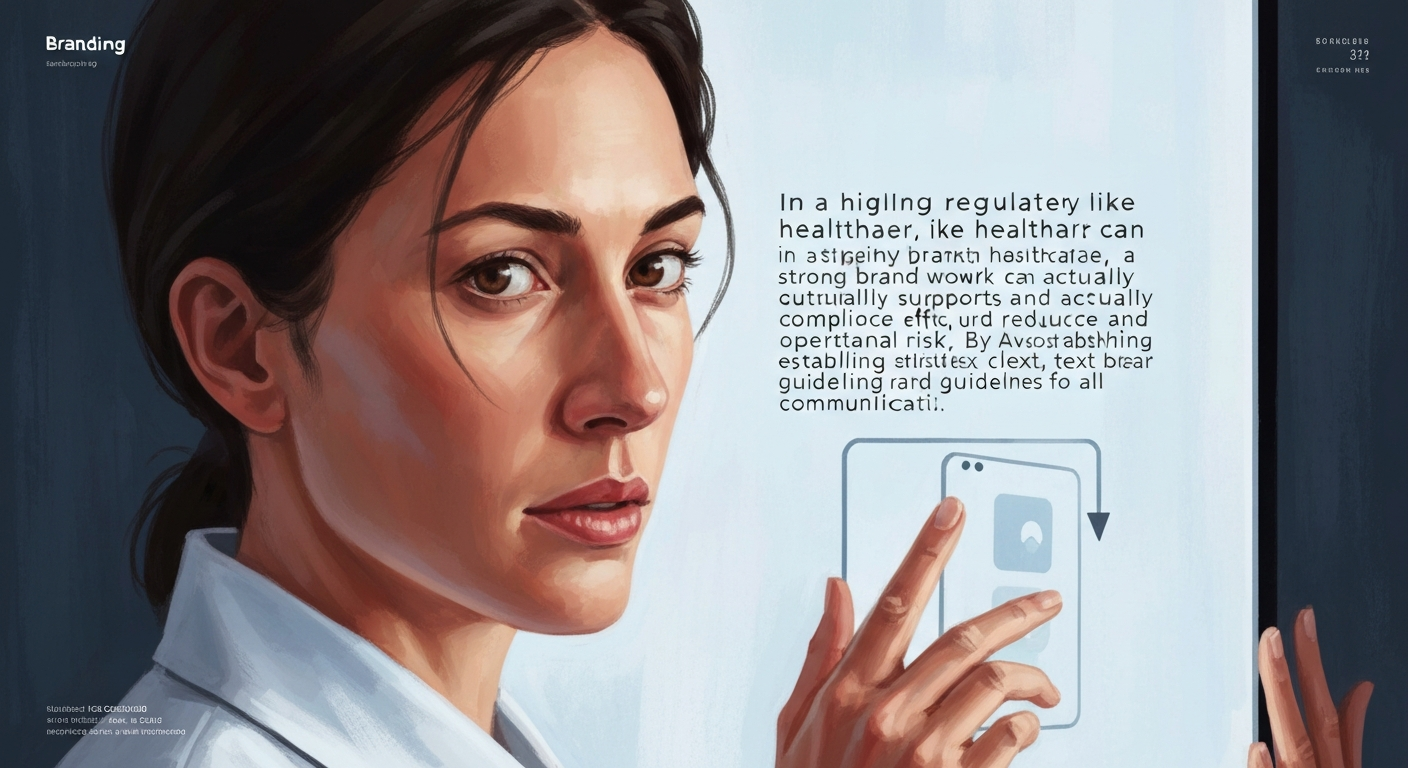
In a highly regulated industry like healthcare, a strong brand framework can actually support compliance efforts and reduce operational risk. By establishing clear brand guidelines for all communications, digital assets, and physical signage, organizations can ensure that all patient-facing materials adhere to standards like HIPAA and PHIPA for privacy, as well as accessibility requirements. This consistency minimizes the chance of miscommunication, maintains professional standards, and protects the organization's reputation.
Consider a pharmaceutical company developing educational materials for a new drug. Strict brand guidelines would dictate not only the visual presentation but also the precise language used to describe efficacy, side effects, and patient instructions, ensuring accuracy and regulatory compliance. This systematic approach, applied across all patient handouts, website content, and even internal training modules, helps to mitigate legal risks and reinforce the organization's commitment to responsible information dissemination.
Where to start
Building a strong brand in healthcare requires a deep understanding of your organization's mission, your patient's needs, and the regulatory landscape. It's an investment in clarity, trust, and long-term growth, moving beyond superficial aesthetics to create a cohesive identity that informs every interaction. The process often begins with discovery to uncover core values and differentiate offerings, followed by strategic development and consistent implementation across all touchpoints.
- Conduct a Brand Audit: Assess your current brand perception internally and externally. What are your strengths and weaknesses? How are you currently perceived by patients, staff, and partners?
- Define Your Core Identity: Articulate your mission, vision, values, and unique selling proposition. What makes your organization distinct in the healthcare landscape?
- Develop a Brand Strategy and Guidelines: Create a comprehensive strategy that includes messaging frameworks, visual identity, and implementation plans for all digital and physical assets.